


Correct Side Door Enabling

SIL 2 Certified | Compatible with Any TCMS | Balise-Free Positioning 

EKE-Electronics’ Correct Side Door Enabling (CSDE) is a SIL 2 certified system designed as a generic solution that integrates with any Train Control and Management System (TCMS). 

CSDE is suitable for operators who do not have the issue of short platforms but instead want to ensure that only the doors on the correct side of the platform are opened.

CSDE can be used as a standalone solution

COMPLIANCE:
SIL 2, EN 50126, EN 50716 (previously EN 50128), EN 50129, RIS-2747-RST

What is CSDE?

Correct Side Door Enabling (CSDE) is a critical safety feature. Its purpose is to ensure that train doors only open on the side adjacent to the platform, preventing accidental door activation on the wrong side.

When the train stops at the designated position, CSDE activates only the doors facing the platform. This controlled operation enhances passenger safety, minimises operational errors, and supports compliance with industry standards such as RIS-2747-RST.

CSDE is fully integrated within the EKE-Electronics’ ASDO architecture and operates independently of external inputs, such as timetables or Train Control and Monitoring System (TCMS) data. It can function independently or alongside infrastructure elements, such as track-mounted balises, to provide flexible deployment.

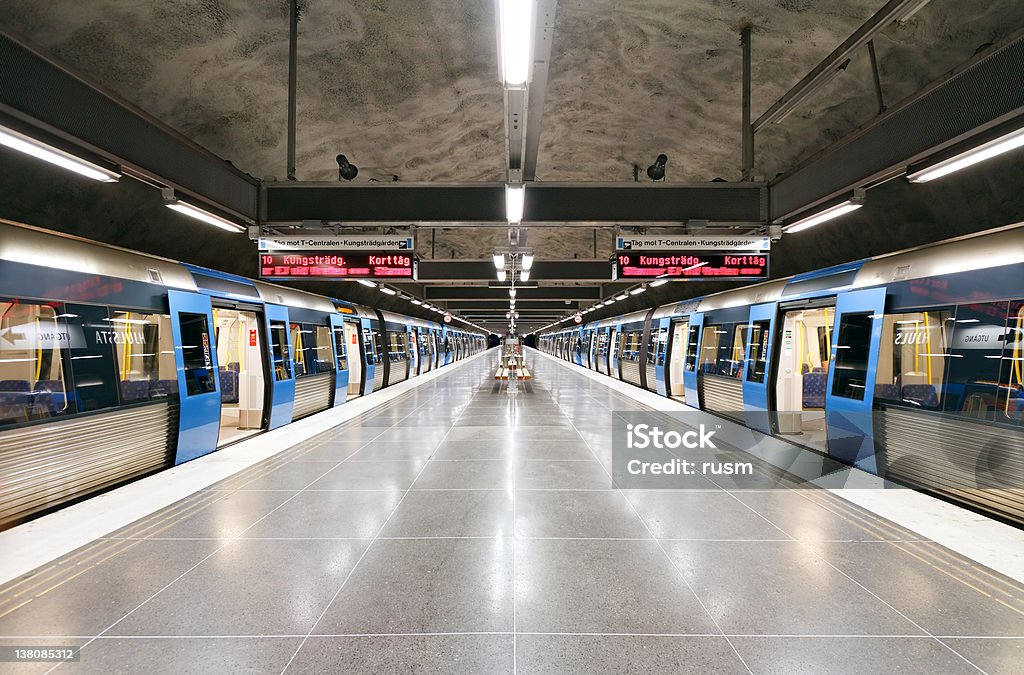
Without CDSE, accidental opening of doors where no platform is available
With CDSE, doors aligned with the platform are opened

What Makes EKE-Electronics' CSDE Different?

EKE-Electronics’ CSDE solution combines engineering excellence with flexibility, offering unique advantages: 

  • Universal TCMS Integration: Works with any Train Control and Management System (TCMS).
  • Balise-Free as Standard: Uses odometry and GNSS for precise train positioning—no costly trackside hardware required.
  • Faster Deployment: A standardised architecture minimises engineering lead time and reduces lifecycle costs without compromising safety or reliability.
  • Retrofit & New Build Compatibility: Ideal for modern fleets and refurbishment projects.
  • Compatible with Various Train Configurations: Supports EMU/DMU units, locomotives, passenger cars, and mixed formations.
  • Expandable Functionality: Additional features such as Hot Axle Box Detection (HABD) can be integrated into the same system, reducing hardware footprint and simplifying maintenance.
  • Proven Worldwide: EKE-Electronics’ ASDO is deployed across global rail networks. Tested, trusted, and proven to deliver reliable performance in real-world operations.

Why CSDE Matters

  • Passenger Safety at Every Stop: Prevents accidental door openings on the wrong side, protecting passengers from hazards.
  • Reducing Human Error: Automates door-side selection, removing reliance on manual checks and improving consistency.
  • Operational Efficiency: Speeds up station stops by eliminating manual door control errors and delays.
  • Improved Passenger Experience: Guarantees smooth boarding and alighting without confusion or inconvenience.


Build CSDE using the following modules

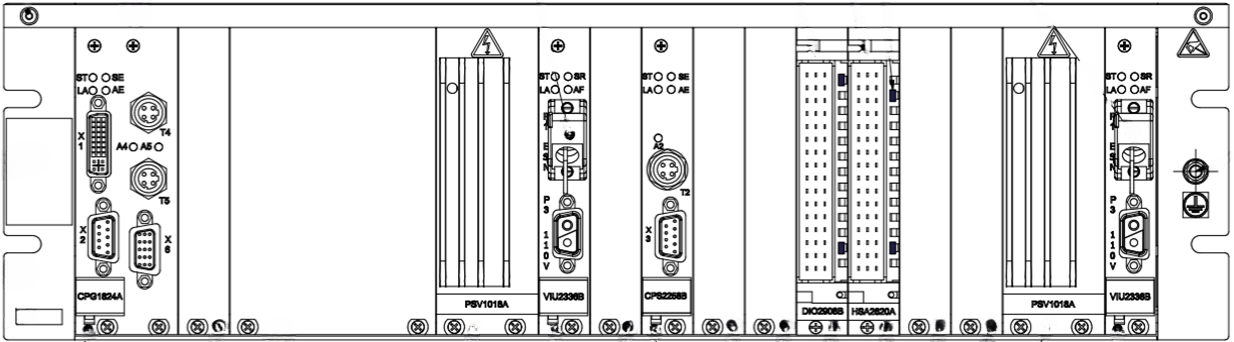
The ASDO system usually consists of two Central Processing Units (CPU), I/O modules, power supplies and a rack. Click on an image to explore related content.

Modular Concept

Below is an example of an ASDO system made up of a selection of common modules. The modules are the minimum required for ASDO, with additional modules available for expanded functionality. For example, HABD is often integrated within the same system. Hover over each area to view a brief description or click to access the full module page.

Application Software

The CSDE application software is built on an open-source Linux platform and is coded in C and C++.

Unlike our TCMS platform, which allows users to code their own applications, CSDE application software is built by EKE-Electronics. This protects the SIL 2 certification, which requires tools. processes and knowledge about how to produce SIL Safety applications.

Why Choose EKE-Electronics for your CDSE?

EKE-Electronics combines decades of rail expertise with proven CSDE technology, delivering reliable, safety-certified solutions for operators worldwide. Our systems are designed for flexibility, fast deployment, and future upgrades, ensuring long-term value across diverse rail networks.

Download Brochures
EKE-Trainnet® SIL Safety Applications

Frequently Asked Questions

Selective Door Operation allows the crew to manually select the doors that can be safely opened.

Go to the ASDO page to learn more

Correct Side Door Enabling is a train door control system that ensures that train doors open on the correct side of the train at each station platform. This is important for passenger safety and comfort, as passengers need to be able to easily access the train without having to cross over the tracks.

Go to the ASDO page to learn more

We offer multiple Automatic Selective Door Operation options to address diverse needs.

  • Odometry with GNSS,
  • Balises/beacons and
  • Odometry.

This flexibility allows us to adapt to various operational scenarios, recognising our customers’ unique preferences and constraints.

SIL or Safety Integrity Levels are defined levels of risk reduction applied to safety-related systems. They are designed to automatically prevent dangerous failures or to control them when they occur. SIL levels range from SIL 1 to SIL 4, with SIL 4 providing the highest level of risk reduction.

For more information, read our blog about implementing SIL for train products.

Safety Integrity Level (SIL) is a measure of the reliability and risk reduction capability of safety-related systems. For railway applications, SIL levels are defined by standards such as IEC 61508 and EN 50126/EN 50128/EN 50129.

Read more about Safety Integrity Levels

Packet 44 or P44 is a data packet used within the ETCS framework to convey information related to the position of trains. The primary purpose of P44 is to ensure that trains receive timely and precise location data, which is essential for maintaining safe distances between trains and thus preventing collisions.

For more in depth analysis read our blog.

Find out how we can work together